


The New Era of Sophisticated Scams
Think you can spot a scam? With today's AI technology, it's becoming increasingly difficult—even for savvy consumers.
Online shopping scams have evolved dramatically in recent years. Modern fraudsters are leveraging artificial intelligence to create increasingly sophisticated deceptions that can fool even careful, tech-savvy shoppers. From pixel-perfect website clones to convincing deepfakes, these scams represent a new frontier in consumer fraud.
How AI Has Transformed Online Scams
Today's scammers are using advanced technologies to create:
- Hyper-realistic fake websites that perfectly mimic legitimate retailers down to logos, layouts, and customer service portals
- AI-generated product reviews written in natural language with believable purchase scenarios and "customer photos"
- Deepfake videos of celebrities and influencers endorsing counterfeit or non-existent products
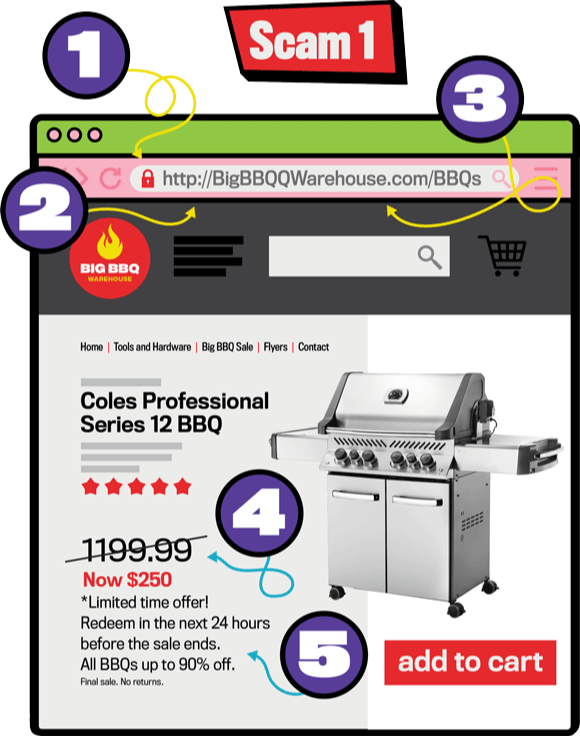
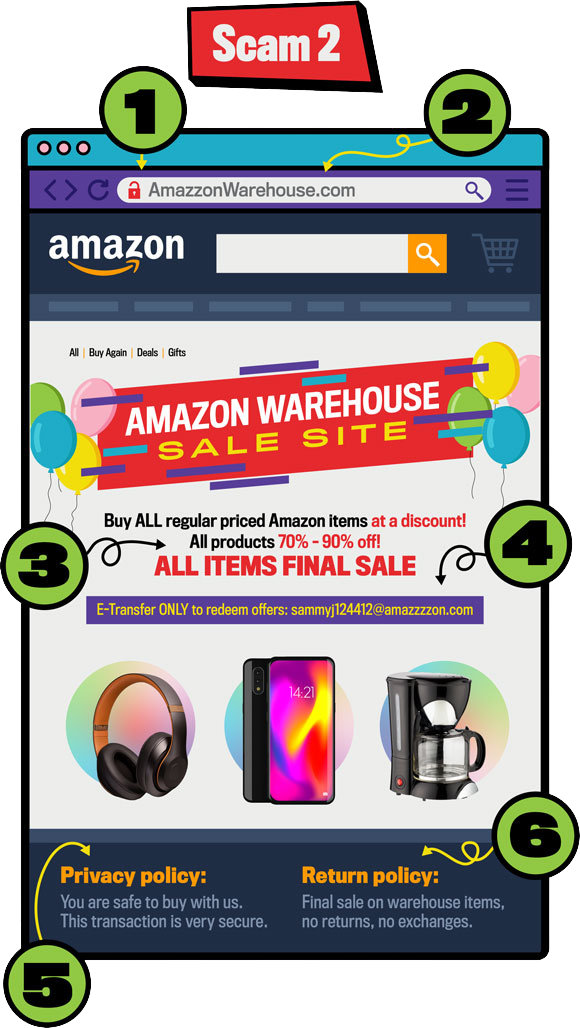
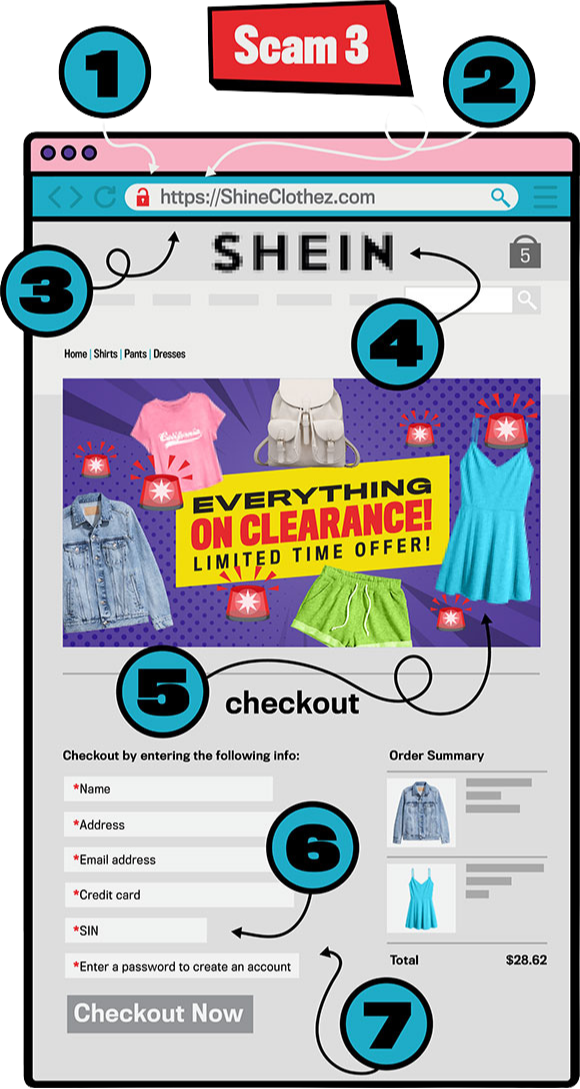
- Domain spoofing with nearly imperceptible URL variations (like amaz0n.com or target-store.com)
- Personalized phishing attempts that incorporate your real name, location, or past purchase history
Examples given at the end of the blog.
Red Flags That Signal Potential Scams
Be on alert for these warning signs:
- Prices that seem extraordinarily low compared to authorized retailers
- Pressure tactics suggesting "limited time offers" or "only X items remaining"
- Poor grammar or unusual phrasing in product descriptions (though AI is making this less common)
- No clear return policy, physical address, or customer service phone number
- Requests for payment through wire transfers, gift cards, or cryptocurrency
Five Essential Steps for Safe Online Shopping
Before making any purchase:
- Verify website authenticity by manually typing the URL rather than clicking links, and look for the padlock icon and "https://" in the address bar
- Research the seller through independent platforms like Better Business Bureau or Trustpilot
- Use secure payment methods like credit cards or reputable services like PayPal that offer buyer protection
- Create unique passwords for shopping accounts and enable two-factor authentication when available
- Monitor your statements regularly to catch unauthorized charges quickly
Beyond Basic Protection: Advanced Security Measures
Consider these additional safeguards:
- Use virtual credit card numbers that generate unique numbers for each transaction
- Install browser extensions that detect and alert you to suspicious websites
- Consider a dedicated email address for online shopping to minimize spam
- Use a password manager to create and store complex, unique passwords
Keeping Our Clients Informed
At Cornerstone Financial Group, we believe that staying informed about potential threats is an essential part of maintaining financial security. This blog post is part of our ongoing commitment to keep our clients educated about emerging risks in the digital landscape.
Your financial future deserves comprehensive protection against both traditional risks and modern digital threats.
Have questions about protecting your financial security online? Our team is ready to help with personalized guidance and support. Contact us today for a consultation.
Sources:
American Bankers Association. "Online Shopping Safety Tips." ABA Consumer Resources, 2024.
AARP. "How to Spot and Avoid Shopping Scams." AARP Fraud Resource Center, 2024.
Better Business Bureau. "The Rise of AI-Generated Fake Reviews." BBB Scam Alerts, Oct. 2024.
CBS News. "How to Spot AI Online Shopping Scams." CBS News, 2024, https://www.cbsnews.com/news/how-to-spot-ai-online-shopping-scams/.
Consumer Financial Protection Bureau. "How to Avoid Online Shopping Scams." CFPB Consumer Advice, 2024.
Consumer Reports. "Deepfake Detection: Protecting Yourself from AI Scams." Consumer Reports Digital Lab, Sept. 2024.
Cybersecurity & Infrastructure Security Agency. "Phishing: Spot and Avoid." CISA Cybersecurity Resources, 2024.
Federal Deposit Insurance Corporation. "Monitoring Your Accounts for Fraud." FDIC Consumer News, 2024.
Federal Trade Commission. "AI-Enhanced Shopping Scams." FTC Consumer Alerts, Oct. 2024.
Federal Trade Commission. "How to Recognize and Avoid Phishing Scams." Consumer Information, 2024.
Forbes. "Virtual Credit Cards: The Ultimate Guide to Safer Online Shopping." Forbes Advisor, Aug. 2024.
Internet Crime Complaint Center. "E-Commerce Scams Report." FBI IC3 Annual Report, 2024.
McAfee. "Website Security Indicators Guide." Online Security Center, 2024.
National Consumers League. "Too Good to Be True: Price Scams to Avoid." NCL Fraud Center, 2024.
National Institute of Standards and Technology. "Password Guidelines and Best Practices." NIST Digital Identity Guidelines, 2024.
Norton. "Spotting Fake Websites and Domain Spoofing." Norton Security Blog, July 2024.
PCMag. "Best Security Extensions for Your Browser." PCMag Software Reviews, Sept. 2024.
U.S. Securities and Exchange Commission. "Researching Businesses and Individuals." SEC Investor Information, 2024.
USA.gov. "Common Scams and Frauds." USA.gov Consumer Issues, 2024.
Wired. "Password Managers: Security Tools Everyone Should Use." Wired Security, Oct. 2024.
Disclosure:
This content was generated utilizing the help of AI research and is intended for informational purposes only. Please consult a qualified professional for personalized advice.