


Protect Yourself from Call and Text Message Scams: A Complete Guide
In today's digital world, scam calls and text messages have become increasingly sophisticated and frequent. Understanding what these scams look like is your first line of defense against falling for these schemes.
What Text Message Scams Look Like
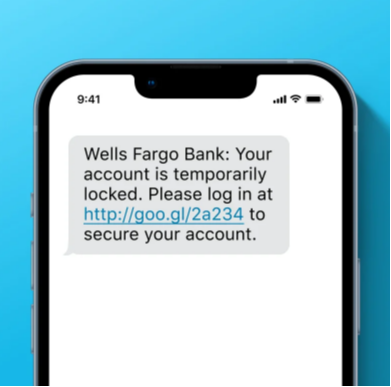
Banking scams appear to come from your bank claiming suspicious activity. You'll see messages like "ALERT: Suspicious activity detected on your account. Click here to verify" or "Your card has been locked due to unusual activity." Real banks typically don't ask you to click links in texts or provide account information via text message.
Package delivery scams claim there's an issue with a delivery. Common messages include "UPS: Your package is being returned due to incomplete address" or "USPS: Package delivery failed. Pay $1.99 redelivery fee." Legitimate delivery services typically don't collect fees or personal information through text links.

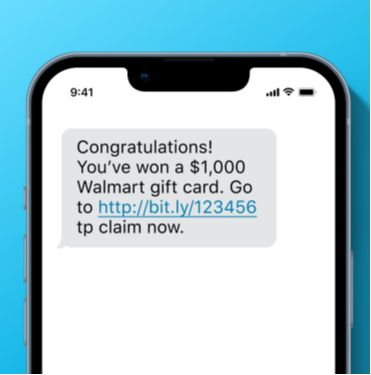
Prize scams tell you that you've won money or gift cards from contests you never entered. They say things like "Congratulations! You've won a $1000 Walmart gift card. Claim now." Legitimate contests typically don't notify winners through random text messages.
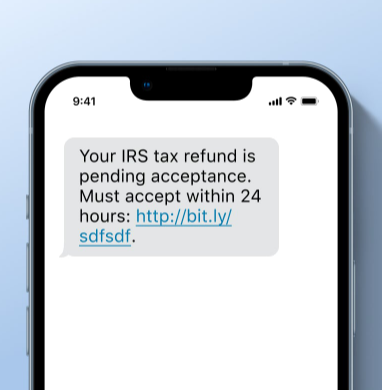
Government scams claim to be from the IRS or Social Security, saying "IRS: You have a pending refund" or "Social Security: Your benefits will be suspended." Government agencies typically don't initiate contact via text for official business.
What Phone Call Scams Sound Like
Grandparent scams involve someone claiming to be your relative in trouble. They'll say "Hi Grandma, it's me, your grandson. I'm in trouble and need you to send money right away. Don't tell Mom and Dad." The red flag is requests for secrecy and immediate wire transfers or gift cards.
Tech support scams claim your computer is infected. Callers say "This is Microsoft support. We've detected viruses on your computer and need remote access to fix it." Real tech companies don't make unsolicited calls about computer problems.
Utility scams threaten immediate service disconnection unless you pay right now with prepaid cards. They'll say "Your electric service will be disconnected in 30 minutes unless you pay with a prepaid debit card." Real utilities give proper notice and accept normal payment methods.
The Golden Rules of Protection
Never share personal information like bank details, passwords, or Social Security numbers via text or phone calls. Legitimate companies typically won't ask for sensitive information through these channels.
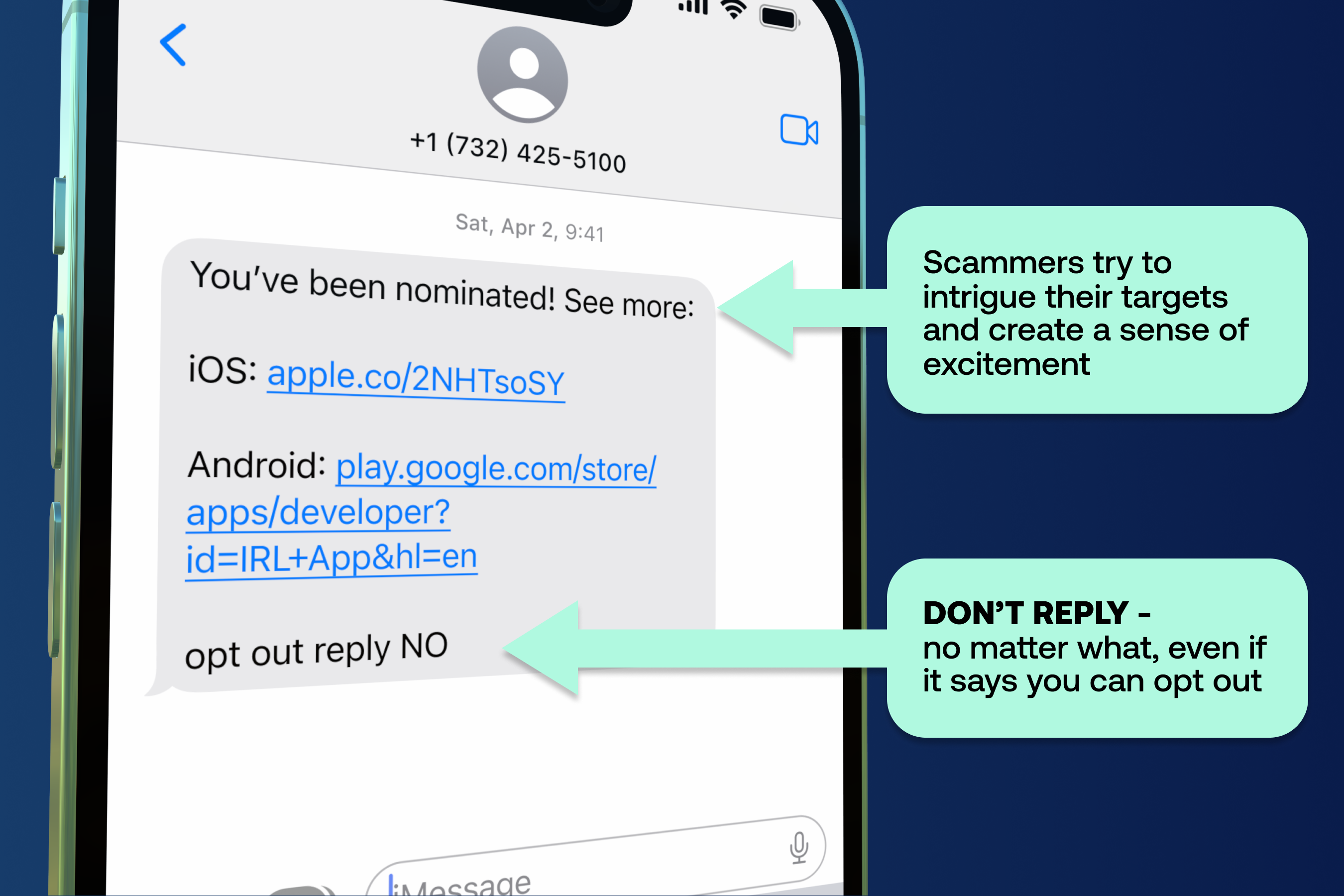
Don't click links in unexpected messages or reply to suspicious texts. When you respond, you confirm your number is active, which often leads to more spam.
Don't trust caller ID alone. Scammers easily "spoof" phone numbers to make calls appear legitimate.
How to Verify and Respond
When you receive suspicious communications, contact the supposed sender directly using the official phone number from their website or your account statements. Visit official websites by typing the URL directly into your browser rather than clicking links.
Enable call filtering and blocking features available through your phone carrier or smartphone settings. Most phones now have built-in spam detection that may help reduce unwanted calls and texts.
Keep your phone's software updated, as updates include important security patches. Be cautious about where you share your phone number, avoiding public posts on social media.
What to Do About Scam Messages
Report spam texts to your carrier by forwarding the message to 7726 (SPAM). File complaints with the Federal Trade Commission at reportfraud.ftc.gov. Block the numbers on your device.
Share your knowledge with friends and family, especially elderly relatives who may be more vulnerable to scams. Increased awareness about these tactics may help reduce their effectiveness.
Universal Red Flags
Be especially suspicious of any communication that creates urgency or pressure to act immediately, asks for personal information or passwords, contains spelling or grammar errors, comes from unknown numbers, offers prizes you didn't enter to win, or threatens consequences if you don't respond quickly.
If You've Been Targeted
If you suspect you've fallen for a scam, don't panic but act quickly. Contact your bank and credit card companies immediately. Change passwords for important accounts and monitor them closely for unusual activity. Report the incident to local law enforcement and the FTC. Consider placing a fraud alert on your credit reports.
The Bottom Line
Protecting yourself from scam calls and texts requires vigilance, but it doesn't have to be complicated. By following these practices – verifying suspicious communications, never sharing personal information via text or unsolicited calls, and using available technology tools – you may be able to reduce your risk of falling for these schemes.
Remember: when in doubt, don't engage. It's often better to be cautious and verify through official channels rather than risk your personal information and financial security.
Sources and Disclosures:
Disclosure: This content was created with AI assistance and serves informational purposes only. Please seek guidance from a qualified professional for personalized recommendations.
Central Bank. "Text Scams and How to Protect Yourself." Central Bank Learning Center, https://www.centralbank.net/learning-center/text-scams-and-how-to-protect-yourself/.
Federal Communications Commission. "Avoid the Temptation of Smishing Scams." FCC Consumer Guides, https://www.fcc.gov/avoid-temptation-smishing-scams.
Federal Communications Commission. "Stop Unwanted Robocalls and Texts." FCC Consumer Guides, https://www.fcc.gov/consumers/guides/stop-unwanted-robocalls-and-texts.
Federal Trade Commission. "Best Way to Protect Your Information from Scammers: Recognize a Phishing Scam." Consumer Alerts, July 2023, https://consumer.ftc.gov/consumer-alerts/2023/07/best-way-protect-your-information-scammers-recognize-phishing-scam.
Federal Trade Commission. "Phone Scams." Consumer Articles, https://consumer.ftc.gov/articles/phone-scams.
First Merchants Bank. "How to Protect Yourself from Text Phishing." Security Resources, https://www.fmbnc.com/how-to-protect-yourself-from-text-phishing.
New York State Attorney General. "Stop Mobile Spam." Consumer Resources, https://ag.ny.gov/resources/individuals/consumer-issues/technology/stop-mobile-spam.
Oak Park. "Stop Phone and Text Fraud." Community Resources, https://www.oak-park.us/Community/Stop-Phone-and-Text-Fraud.
Stay Safe Online. "What is Smishing? How Text Message Scams Work (and How to Avoid Them)." Security Articles, https://www.staysafeonline.org/articles/what-is-smishing-how-text-message-scams-work-(and-how-to-avoid-them).
USS Federal Credit Union. "How to Stop Spam Texts: Simple Steps to Protect Your Phone." Security Corner Blog, https://www.ussfcu.org/media-center/security-corner/blog-detail-security-corner.html?cId=90934&title=how-to-stop-spam-texts-simple-steps-to-protect-your-phone.
"15 Spam Text Message Examples & How to Identify Them." Textedly, www.textedly.com/blog/spam-text-message-examples."How to Identify Text Message Scams or Smishing." RoboKiller, www.robokiller.com/blog/how-to-identify-text-scams.